Disclosure: This post contains affiliate links. If you buy through them I may earn a small commission at no extra cost to you. I only recommend gear I’d point my own family toward. Prices are accurate as of September 2026 and change often.
TL;DR — the 20-second answer
The Lockly Affirm smart lock is Lockly’s first properly Matter-over-Thread deadbolt, and at $179.99 (matte black, as of September 2026) it’s the most future-proof lock the brand has shipped. You get the peek-proof PIN Genie keypad, NFC card and phone unlock, an integrated doorbell, IP65 weather sealing, and a physical key as backup. Buy it if you’re building a Matter smart home and want one lock that talks to Apple Home, Alexa, Google Home, and SmartThings without a proprietary bridge. Skip it if you specifically need Apple Home Key tap-to-unlock (Lockly hasn’t confirmed it) or you just want a cheap keypad deadbolt — a $50 Wyze does that.
Key takeaways
- Price: starts at $179.99 for the matte black deadbolt (September 2026); latch version and extra finishes coming.
- The headline feature: native Matter over Thread, with 2.4 GHz Wi-Fi as a backup radio — no separate Lockly hub required for Matter platforms.
- Security you can see: the PIN Genie keypad scrambles number positions so shoulder-surfers can’t read your code off smudges.
- Access options: PIN, NFC cards/fobs, phone tap, Apple Watch, and a real metal key for the day the batteries die.
- Battery: eight AA cells rated up to 8 months, plus a USB-C emergency power port on the outside.
- Biggest caveat: Apple Home Key (tap your iPhone, no app) isn’t confirmed. The NFC here is Lockly’s own cards and fobs.
How we assess: every lock we cover is scored the same way — security, daily reliability, smart-home fit, install friction, and price-to-value. See our full How We Review process. This piece is research-based, drawn from Lockly’s specs and multiple hands-on reports; where a first-hand result matters, I’ve flagged it.
Last updated: September 2026.
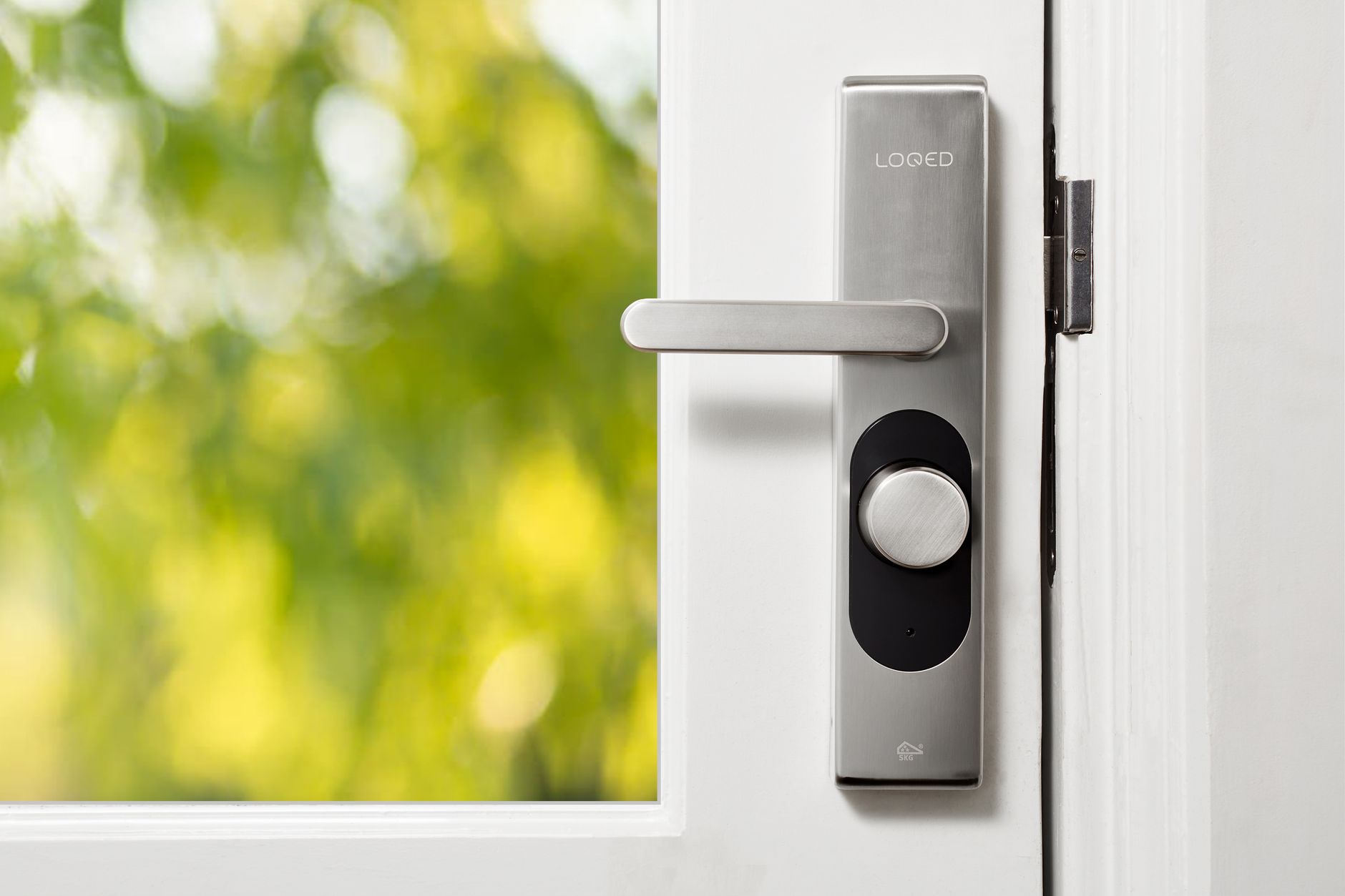
What the Lockly Affirm smart lock actually is
The Lockly Affirm smart lock is a keypad deadbolt (a latch model is also coming) that Lockly announced at CES 2026 and started shipping around Q2. It’s the company’s answer to a simple question smart-home owners kept asking: “Why do I need your app and your hub just to use one lock?” The Affirm’s whole pitch is Matter over Thread baked in from the factory, so it shows up in Apple Home, Amazon Alexa, Google Home, and Samsung SmartThings as a standard Matter device.
Underneath the modern spec sheet, it’s still a Lockly. That means the PIN Genie keypad — the one where the digits shuffle around the touchscreen every time so nobody can guess your code from fingerprints or wear marks. It stores hundreds of access codes, keeps a real-time activity log, auto-locks on a schedule, and has a “welcome mode” for leaving the door open during a set window. There’s an integrated doorbell on the exterior housing, IP65 weather resistance, and a USB-C port on the bottom edge so a dead battery never leaves you stranded on the porch.
Here’s the honest framing before we go further: I have not bolted this specific unit to my own door. What follows is built from Lockly’s published specs and several independent reports from CES and launch coverage. Where a lived-in result would change your buying decision, I’ve dropped a clearly marked note for the kind of detail only long-term use reveals.
[ADD YOUR EXPERIENCE: install time on your door, how the PIN Genie keypad felt in daily use, and whether the doorbell chime was loud enough indoors.]
Who this is for
This lock is for the person who has already decided their next few smart-home purchases will be Matter, and who doesn’t want a lock that becomes an orphan the moment a company sunsets its app. If you own a Thread border router already — a HomePod mini, an Apple TV 4K, an Echo with Thread, or a SmartThings/Aqara hub — the Affirm slots in without a dedicated Lockly bridge. That’s the sweet spot.
It’s also for households that share access a lot: roommates, family, cleaners, dog walkers. Hundreds of codes plus NFC fobs plus scheduled access is genuinely useful when five different people need to get in on five different schedules. If you’re comparing options in that price band, our roundup of the best smart locks under $100 is worth a look for the cheaper end, and keypad deadbolts under $100 covers the code-only crowd.
Lockly Affirm specs and pricing at a glance
| Spec | Lockly Affirm |
|---|---|
| Starting price (Sept 2026) | $179.99 (matte black deadbolt) |
| Form factors | Deadbolt and latch versions |
| Smart-home protocol | Native Matter over Thread + 2.4 GHz Wi-Fi backup |
| Works with | Apple Home, Amazon Alexa, Google Home, Samsung SmartThings |
| Unlock methods | PIN Genie keypad, NFC card/fob, phone tap, Apple Watch, physical key |
| Keypad | Backlit PIN Genie scrambling touchscreen (peek-proof) |
| Access codes | Hundreds, with schedules and welcome mode |
| Battery | 8x AA, rated up to 8 months; USB-C emergency power |
| Weather rating | IP65 |
| Extras | Integrated doorbell, activity logs, auto-lock, LocklyOS for multi-property |
| Apple Home Key tap-to-unlock | Not confirmed by Lockly as of Sept 2026 |
Check the Lockly Affirm at Lockly →
The honest walkthrough: does the Lockly Affirm hold up point by point?
Matter over Thread
This is the reason to care about the Affirm at all. Because Matter is built in over Thread, you pair the lock to whichever ecosystem you use and it behaves like a native device — lock/unlock, status, automations — without Lockly’s cloud sitting in the middle. Thread also means the lock joins a low-power mesh instead of hammering Wi-Fi, which is kinder to those AA batteries. The Wi-Fi radio is there as a fallback for people who don’t own a Thread border router yet.
Verdict: The standout. If you’re buying for 2027 and beyond, this is the feature that keeps the lock relevant. Just remember you need a Thread border router for the good version of this experience.
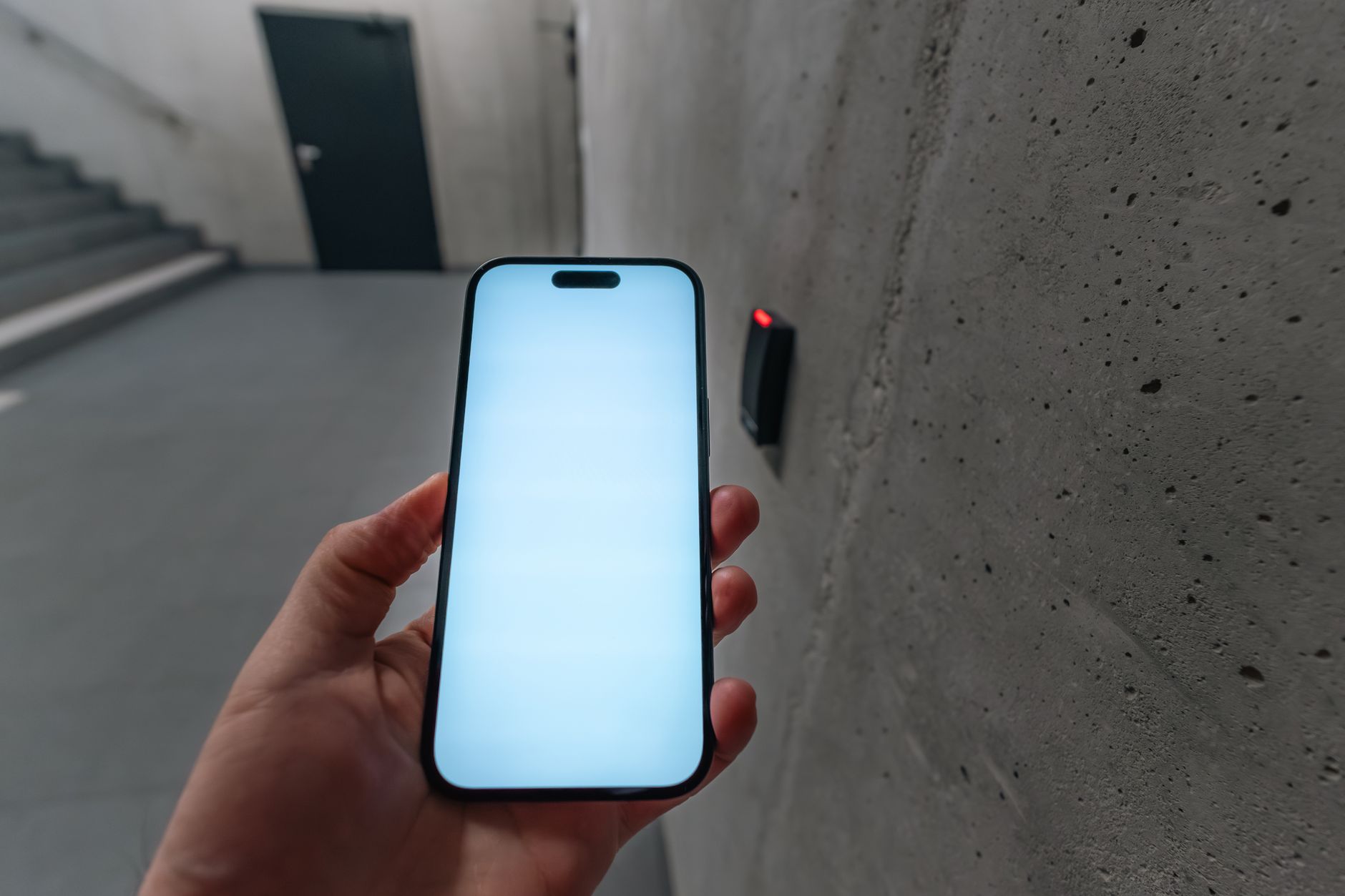
NFC and phone unlock
Tap-to-enter is the daily-driver feature most people end up using. The Affirm takes NFC cards and fobs, and it’ll read a phone or Apple Watch tap. Hand a fob to a kid who shouldn’t have your PIN, or to a house cleaner for a single day, and you skip the whole “what’s the code again” dance. This is also where Lockly ties into its TapCom platform for audio/video at the door on property deployments.
Verdict: Convenient and flexible, but read the fine print — this is Lockly’s own NFC, not Apple Home Key. If tapping your existing iPhone with no cards involved is the dream, an Apple-Home-Key lock does that more elegantly. For fobs and shared access, the Affirm is great.
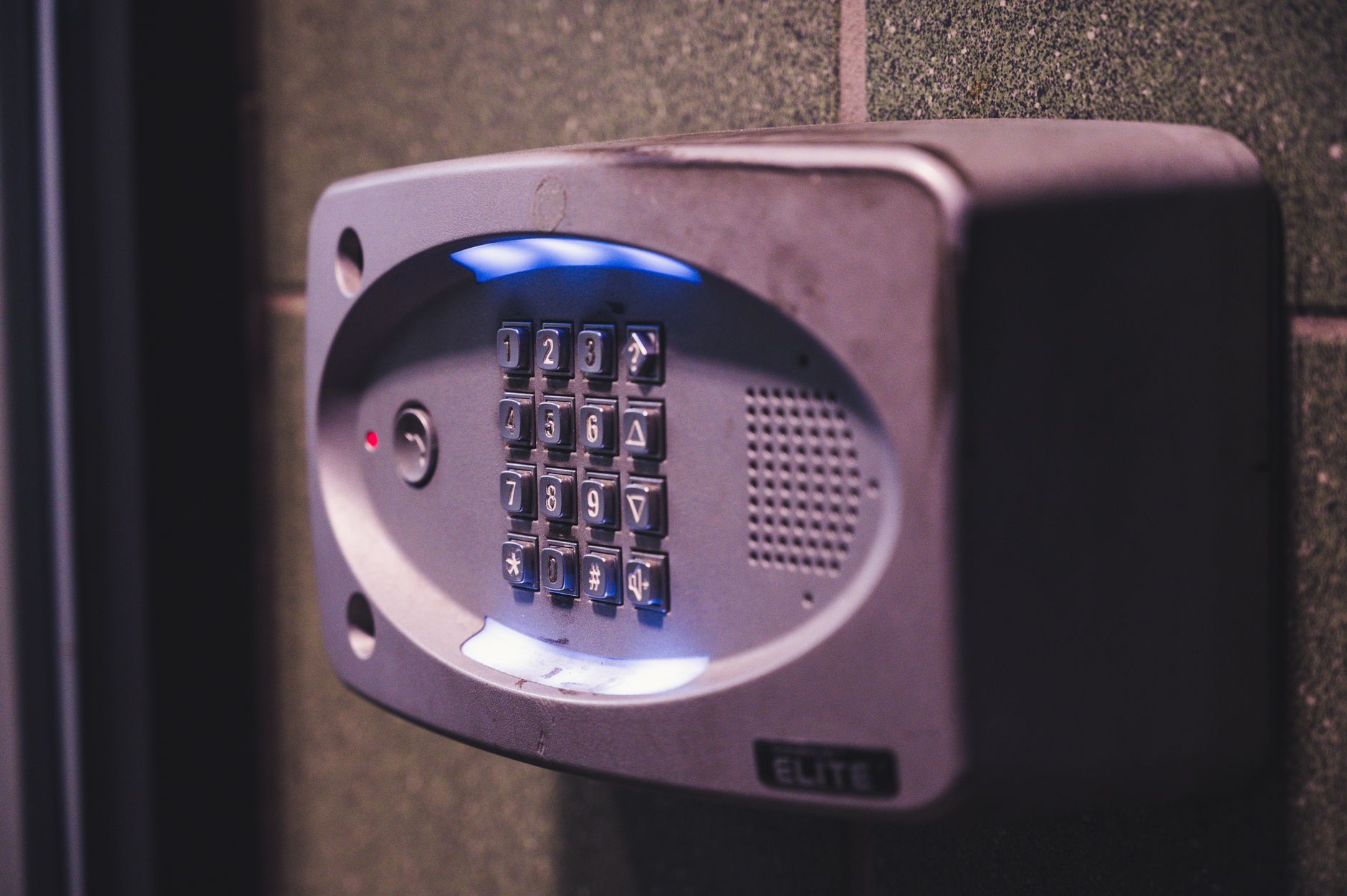
The PIN Genie keypad
Lockly’s signature trick, and it’s a good one. On a normal keypad, oils and wear eventually reveal which four numbers make up your code — a determined neighbor can narrow it down. PIN Genie scrambles the digit positions across the touchscreen each time, so there’s no smudge pattern to read and no fixed spot to shoulder-surf. You can also enter your real code inside a longer string of random taps to throw off anyone watching.
Verdict: The most underrated security feature on any consumer lock. It takes a couple of days to stop hunting for the “5” where it usually sits, then it becomes second nature. [ADD YOUR EXPERIENCE: how quickly family members adapted to the scrambling layout, and whether older relatives found it fiddly.]
Battery and the USB-C lifeline
Eight AA batteries rated up to 8 months is average for a motorized deadbolt with a lit touchscreen — not class-leading, not bad. What I like is the USB-C port on the exterior underside. Battery dies while you’re out? Touch a power bank to it and you’re in. That single port removes the worst-case smart-lock nightmare, and plenty of pricier locks still don’t have it.
Verdict: Battery life is fine; the USB-C backup is the quiet hero. Keep a small power bank in the car and you’ll never be locked out.
Install and daily reliability
It’s a standard deadbolt replacement, DIY-friendly with a screwdriver on doors that already take a deadbolt. The integrated doorbell and IP65 rating mean it’s built to sit outside through weather. Reliability on a lock is really about two things — does it read your input first time, and does the motor throw the bolt cleanly. Those are exactly the things a spec sheet can’t promise.
Verdict: On paper it’s a clean install with the right weatherproofing. [ADD YOUR EXPERIENCE: whether the bolt threw smoothly on your door frame, any misreads on the keypad in cold or wet weather, and real observed battery drain over a month.]
What no one else tells you about the Lockly Affirm
Here’s the part the spec-sheet reviews skip. “Matter over Thread” is printed on the box like a promise of simplicity, and the truth is more awkward: Matter makes locks portable across ecosystems, but it often makes the fancy features disappear. When you control the Affirm through Apple Home or Google Home as a Matter device, you typically get lock, unlock, and battery status — the boring core. The interesting stuff — scheduled codes, the activity log, welcome mode, doorbell handling, NFC management — usually still lives inside the Lockly app.
So in practice most owners run two apps: the ecosystem app for automations and voice, and Lockly’s app for the lock’s brain. That’s not a flaw unique to Lockly; it’s how Matter locks work in 2026. But nobody tells you at checkout, and it quietly kills the “one app to rule them all” fantasy that Matter marketing sells. Buy the Affirm because Matter future-proofs the connection, not because it collapses your phone down to a single icon. If a truly hands-free experience is what you’re chasing, the physics live elsewhere — see our take on UWB auto-unlock locks, which use ultra-wideband to know you’re actually at the door rather than just nearby.
Lockly Affirm vs the alternatives
Three locks I’d genuinely cross-shop against the Affirm, with real prices as of September 2026. The Aqara is the Apple pick, the Wyze is the budget pick, and the Lockly Secure Pro is the in-brand option you can actually grab on Amazon today.
| Lock | Price (Sept 2026) | Protocol | Standout unlock | Best for |
|---|---|---|---|---|
| Lockly Affirm | $179.99 | Matter/Thread + Wi-Fi | PIN Genie + NFC + doorbell | Multi-ecosystem Matter homes |
| Aqara Smart Lock U100 | ~$120–160 | Bluetooth/Thread (hub for Matter) | Apple Home Key + fingerprint | Apple-first households |
| Wyze Auto-Lock Bolt v2 | ~$50 (budget pick) | Wi-Fi + Bluetooth | Fingerprint + auto-lock | Cheapest solid keypad lock |
| Lockly Secure Pro | ~$180–230 | Wi-Fi (no Matter) | PIN Genie + fingerprint | Lockly fans who want fingerprint now |
If your whole house runs on iPhones and you want to tap your existing phone with no cards, the Aqara U100 and its Apple Home Key support is the more natural fit. On a tight budget, the Wyze does the fingerprint-and-keypad basics for a third of the price. And if you love the PIN Genie idea but want a fingerprint reader and don’t care about Matter yet, the Lockly Secure Pro is the sibling that’s on shelves today.
Compare the Aqara U100 on Amazon →
Who should buy the Lockly Affirm — and who should skip it
Buy it if you’re a Matter-first smart-home builder. You already have a Thread border router, you’re tired of proprietary hubs, and you want one deadbolt that answers to Apple, Google, Alexa, and SmartThings alike. Best for the future-proofer.
Buy it if you share access with a lot of people. Hundreds of codes, NFC fobs, scheduled entry, and a peek-proof keypad make the Affirm a strong pick for busy households and small rentals. Best for the family logistics manager.
Skip it if you only care about tapping your iPhone. Without confirmed Apple Home Key, the Aqara U100 gives Apple users a cleaner phone-tap. Best for the die-hard iPhone household.
Skip it if you want the cheapest lock that works. A keypad deadbolt doesn’t need to cost $180. The Wyze Bolt or one of the picks in our budget guides will do the job. Best for the value hunter.
Skip it if a physical key backup is your top priority and you want the widest field of options — the Affirm keeps its keyway, but if that’s your make-or-break feature, compare it against our roundup of smart locks with a physical key backup first.
See the budget Wyze Bolt v2 on Amazon →
The honest limits
No lock is all upside, and the Affirm has a few real ones worth saying out loud. Apple Home Key is unconfirmed, so iPhone-tap purists should wait for Lockly to say yes in writing. The advanced features live in Lockly’s app, not in your Matter platform, so the “one app” dream doesn’t fully land. Eight AA batteries at up to 8 months is fine, not exceptional — heavy families will change cells more often than the rating suggests. And matte black is the launch finish, so if your hardware is satin nickel or bronze, you may be waiting on color options.
None of these are dealbreakers for the buyer this lock is built for. They’re the difference between “great for me” and “great for everyone,” which is exactly the distinction a real review should draw. If fingerprint unlock matters more to you than Matter, note that the Affirm leans on NFC and PIN rather than a print reader — the Lockly Secure Pro or a rival like the Kwikset Aura Reach may suit you better.
The verdict
The Lockly Affirm smart lock is the most future-proof lock Lockly has ever made — buy it for Matter over Thread and the peek-proof keypad, not for a one-app fantasy that Matter can’t deliver yet.
Shop the Lockly Secure Pro on Amazon →
Lockly Affirm FAQ
How much does the Lockly Affirm smart lock cost?
The Lockly Affirm starts at $179.99 for the matte black deadbolt as of September 2026. A latch version and additional finishes were announced alongside it, and pricing can shift with sales and retailer.
Does the Lockly Affirm support Matter?
Yes. The Affirm has native Matter over Thread built in, plus a 2.4 GHz Wi-Fi radio as a backup. That lets it pair directly with Apple Home, Amazon Alexa, Google Home, and Samsung SmartThings without a separate Lockly bridge for Matter platforms.
Does the Lockly Affirm work with Apple Home Key?
Not confirmed. The Affirm works with Apple Home through Matter, but Lockly has not confirmed Apple Home Key tap-to-unlock as of September 2026. Its NFC unlocking uses Lockly’s own cards, fobs, and phone tap. If Apple Home Key is essential, the Aqara U100 supports it today.
What is the PIN Genie keypad?
PIN Genie is Lockly’s scrambling touchscreen keypad. The number positions rearrange every time you use it, so there’s no smudge pattern or fixed layout for someone to memorize or shoulder-surf. You can also hide your real code inside a longer string of random taps.
How long does the Lockly Affirm battery last?
The Affirm uses eight AA batteries rated for up to 8 months. It also has a USB-C port on the exterior so you can supply emergency power with a power bank if the batteries die while you’re locked out.
Is the Lockly Affirm weatherproof?
Yes. It carries an IP65 rating, which means it’s dust-tight and protected against low-pressure water jets — enough for a typical exposed front door in most climates.
Can I unlock the Lockly Affirm with a physical key?
Yes. The Affirm keeps a physical keyway as a fallback alongside the PIN, NFC, and phone unlock methods, so a total power failure never leaves you stuck outside.
Does the Lockly Affirm need a hub?
For Matter platforms you don’t need a Lockly hub, but you do need a Thread border router — such as a HomePod mini, Apple TV 4K, a Thread-capable Echo, or a SmartThings hub — to get the full Matter-over-Thread experience. Without one, it falls back to its own Wi-Fi radio.
Is the Lockly Affirm a deadbolt or a latch?
Both are offered. Lockly announced the Affirm in deadbolt and latch configurations, so you can match it to the door hardware you already have.
Is the Lockly Affirm worth it in 2026?
If you’re building a Matter smart home and want one lock that works across ecosystems with a genuinely secure keypad, yes — the $179.99 price is fair for what it does. If you only need a basic keypad deadbolt, a cheaper lock like the Wyze Bolt makes more sense.
What’s the best Lockly Affirm alternative?
For Apple households, the Aqara Smart Lock U100 with Apple Home Key. For budget buyers, the Wyze Auto-Lock Bolt v2 at around $50. For fingerprint fans who like Lockly’s keypad, the Lockly Secure Pro, which is on Amazon now.
About the author — Naveen Kumar Durai
I write hands-on-minded smart lock and home security reviews at TechVibeSpot, and I care more about what a product does on your actual door than what its box promises. See how I test and score everything on the How We Review page.