“Do I actually need a smart lock, or is my deadbolt fine?” is one of the most sensible questions in home security, and the honest answer is: it depends entirely on how you live. A smart lock is not automatically better – it is better for specific needs. This guide compares the two head to head on security, convenience, cost, and reliability, then helps you decide which one belongs on your door. Written for August 2026.
How we assess: this guide is based on manufacturer documentation, published security standards, and verified owner reports.
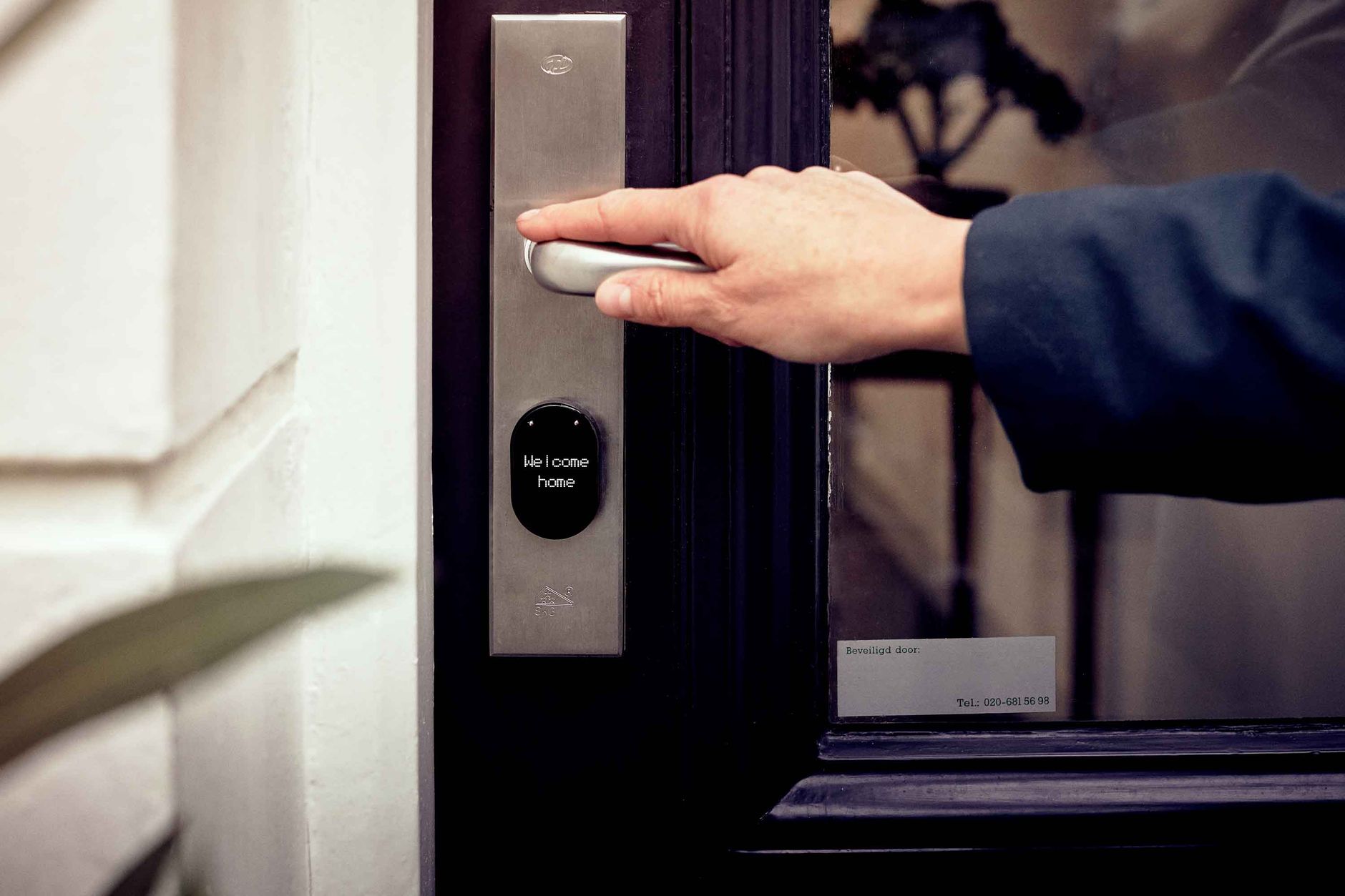
Smart lock or traditional deadbolt – which do you need? Choose a smart lock if you want keyless entry, remote control, or shareable guest codes; choose a traditional deadbolt if you want the lowest cost, zero batteries, and never need to share access. Both can be equally secure – what differs is convenience, not core strength.
Smart lock vs deadbolt at a glance
The quickest way to see the difference is side by side. Notice that on raw security they can tie – the gap is really about convenience and control.
| Factor | Smart lock | Traditional deadbolt |
|---|---|---|
| Entry | Code, fingerprint, phone, or key | Physical key only |
| Remote control | Yes (with Wi-Fi) | No |
| Guest access | Temporary codes, revocable | Hand over a key |
| Power | Batteries (6-12 months) | None needed |
| Lost-key risk | No keys to copy or lose | Keys can be copied/lost |
| Price | ~$50-250 | ~$20-60 |
| Security grade | Up to ANSI Grade 1 | Up to ANSI Grade 1 |
Security: closer than you’d think
Both lock types are only as strong as their bolt and their grade. A smart deadbolt uses the exact same physical bolt as a mechanical one, so a Grade 1 smart lock and a Grade 1 deadbolt resist forced entry equally. Where they differ is failure mode: a deadbolt’s weakness is the key (copied, lost, or picked), while a smart lock’s weakness is a weak PIN or outdated firmware. Both are within your control. If you want to understand the internals, see our explainer on how smart locks work.
Convenience: the real reason people switch
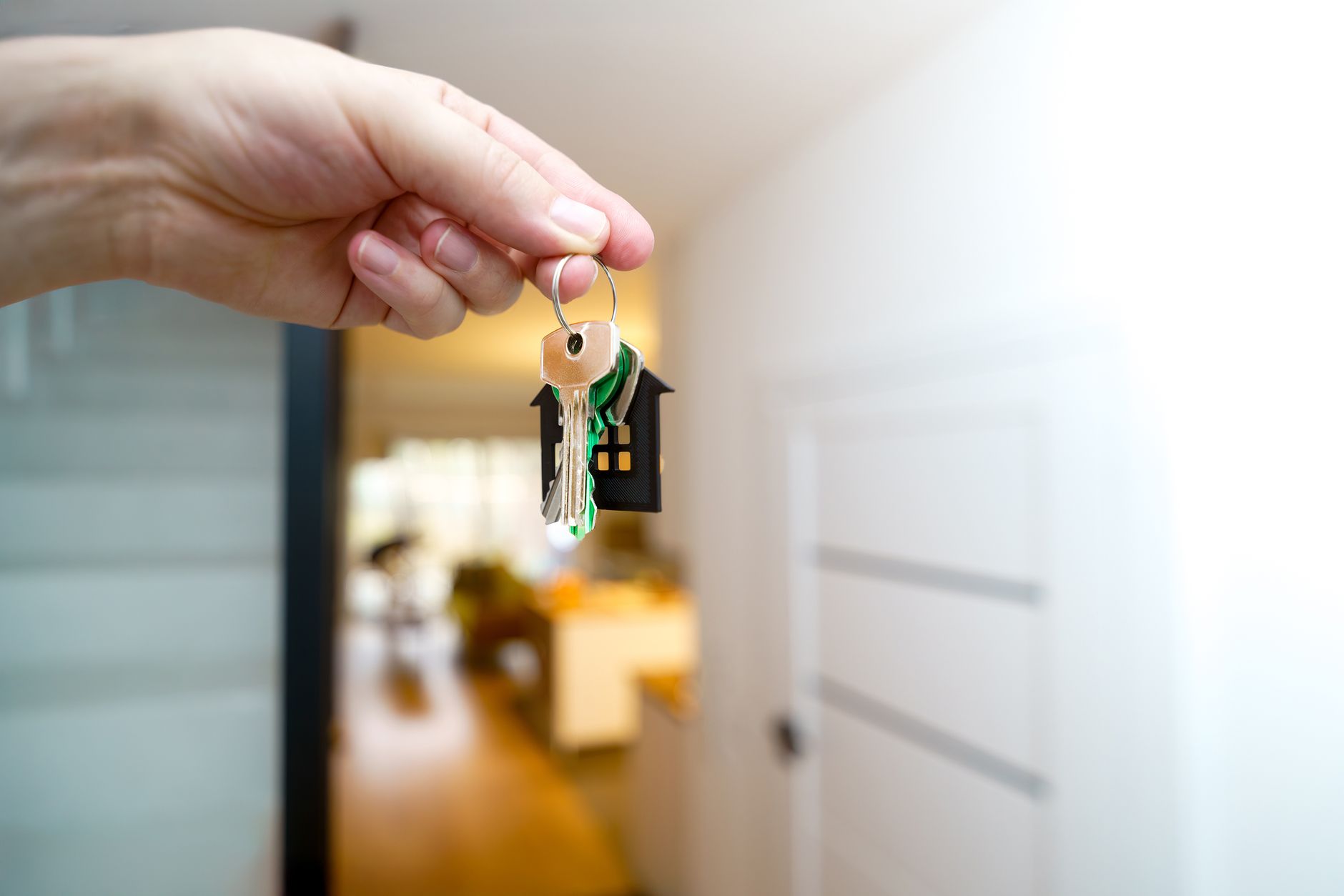
This is where a smart lock pulls ahead decisively. You can unlock with a code or fingerprint when your hands are full, give a cleaner a code that only works Tuesdays, let a guest in from your phone while you are at work, and get an alert when the kids get home. A deadbolt does exactly one thing – it locks with a key you must carry and cannot share without copying. If convenience and access control matter to you, the smart lock wins easily.
Cost: deadbolts win on price
A good mechanical deadbolt costs roughly $20-60 and needs nothing else. A smart lock runs about $50-250 depending on whether you want a keypad, fingerprint, or built-in Wi-Fi, plus occasional batteries. If budget is the only consideration and you never need to share access, the deadbolt is the cheaper, simpler choice. For most people, though, the extra outlay buys convenience they use every day.
Reliability and power
A deadbolt never runs out of battery – that is its quiet advantage. A smart lock depends on batteries, though good ones last 6-12 months and warn you well ahead, and nearly all keep a key or code backup so a flat battery cannot lock you out. Neither is affected by a power cut, since smart locks run on their own cells, not house power. In short: deadbolts are the most foolproof, smart locks are highly reliable with a sensible backup habit.
Which one is right for you?
Choose a traditional deadbolt if you want the lowest cost, zero maintenance, never share access, and value absolute simplicity. Choose a smart lock if you want keyless entry, remote locking, shareable and revocable guest codes, entry logs, or fingerprint convenience. If you are leaning smart, our buying guide and installation guide take it from there.
Why many people use both
You do not have to pick one for the whole house. A common, sensible setup is a smart lock on the main entry – where codes, remote control, and logs are most useful – and simple deadbolts on a back or garage door that rarely needs sharing. This gives you the convenience where it counts without paying for smart hardware on every door.
- On raw security a graded smart lock and a graded deadbolt are equal.
- Smart locks win on convenience: codes, fingerprint, remote, guest access.
- Deadbolts win on price and simplicity (no batteries).
- Both keep working in a power cut; smart locks need a backup-battery habit.
- Many homes use both – smart on the main door, deadbolt elsewhere.
FAQ
Is a smart lock safer than a deadbolt?
A quality smart lock with a good security grade is at least as strong as a standard deadbolt because it uses the same bolt, and it removes the risk of copied or lost keys. A basic smart lock without a recognised grade may be weaker, so check the certification.
Should I replace my deadbolt with a smart lock?
If you want keyless entry, remote control, or shareable guest codes, yes. If you rarely need those and prefer zero batteries and lowest cost, a good mechanical deadbolt still does the core job well. Many people keep a deadbolt on one door and a smart lock on the main entry.
Do smart locks still have a key?
Most full smart deadbolts include a physical key backup, and retrofit models keep your existing keyway entirely. A few keypad-only models drop the key, so if a physical backup matters to you, confirm it before buying.
Are smart locks worth it for the money?
For most households, yes – the convenience of codes, fingerprint entry, and remote control outweighs the modest extra cost. If you only need a lock and never share access, a traditional deadbolt is cheaper and perfectly adequate.
Can burglars hack a smart lock?
Remote hacking of a reputable, encrypted smart lock is very unlikely; weak PINs and outdated firmware are the real risks. Physically, both smart locks and deadbolts are defeated the same ways, so the security grade of the bolt matters more than the electronics.
Do smart locks work in a power cut?
Yes. Smart locks run on their own batteries, not house power, so a blackout does not affect them. They keep working normally, and keypad and fingerprint entry are unaffected.
Which is better for a rental?
A retrofit smart lock is ideal for renters because it mounts over the existing deadbolt, keeps the landlord’s keyway, and comes off without a trace. A traditional deadbolt change usually needs landlord permission.
How much does a smart lock cost vs a deadbolt?
A solid smart lock runs about $50-250 depending on features, while a good mechanical deadbolt is roughly $20-60. You are paying the difference for keyless entry, remote access, and guest codes.
Sources
Compiled from manufacturer documentation and published lock security standards. Checked August 22, 2026.
Last updated: August 2026.
Naveen Kumar Durai is the founder of Naveen AI Automation and the editor of TechVibeSpot. He writes practical smart-lock and home-security guides from manufacturer documentation, official setup instructions, and verified owner reports.