
Affiliate disclosure: As an Amazon Associate, TechVibeSpot earns from qualifying purchases. Some links below are affiliate links, so if you buy through them I may earn a small commission at no extra cost to you. It never changes which lock I recommend.
How we assess: these picks are based on manufacturer specs, locksmith documentation, standards data, and hands-on notes, not paid placement. Here’s how we review.
TL;DR: A mechanical push button door lock opens with a numeric code and zero electronics, so there are no batteries to die and nothing to hack over the air. For a heavy door you use every day, a Kaba Simplex or LockeyUSA lever is the one I’d trust for decades. For a shed, gate, or spare room where you just want a code and don’t want to spend much, a sub-$100 zinc-alloy unit does the job. What you give up: one shared code, a slow code change, and no remote control or phone alerts. Updated September 2026.

Key takeaways
- Mechanical push button locks run on a spring-loaded combination chamber, not a circuit board, so they work in a power cut and never need a battery swap.
- A standard 5-button Simplex mechanism has 1,081 possible combinations — fine for privacy and casual access control, not a substitute for a bank vault.
- Serious models (Kaba Simplex, LockeyUSA) run roughly $140 to $525 as of September 2026; budget Amazon units sit well under $100.
- The real trade-off isn’t security — it’s convenience. One shared code, a manual code change, and no logs or phone alerts.
- Best for exterior gates, garages, offices, rentals in cold climates, and anyone who’s sick of dead-battery smart locks.
Are push button door locks worth it?
Yes — for most people a push button door lock is worth it, and I’d argue it’s the single easiest security upgrade you can make to a front door. You stop hiding keys under the mat, you stop rekeying when a roommate leaves, and you get in with your hands full. The catch is that “push button door lock” covers two very different animals: cheap electronic keypad deadbolts (Kwikset Powerbolt, Schlage BE365, Kwikset SmartCode 260) that run on AA batteries, and mechanical no-battery combination locks (Lockey, Kaba Simplex) that cost more and use one shared code. Pick the wrong type and you’ll be annoyed within a month. Pick the right one and you’ll forget your keys ever existed.
My top pick for most homes: the Kwikset SmartCode 260 — Grade 2, auto-locks behind you, SmartKey backup, and it lands under $100.
Key takeaways
- Two families, not one. Electronic keypad = codes, batteries, auto-lock. Mechanical = no battery, one shared code, weatherproof.
- Security is “good enough,” not fortress-grade. Most residential keypad deadbolts are ANSI/BHMA Grade 2. That beats a Grade 3 knob lock but isn’t the Grade 1 you’d bolt to a bank.
- The keypad isn’t the weak point — your door is. A strong lock in a soft jamb with short screws is theatre. Reinforce the strike.
- Budget reality (September 2026): a solid electronic keypad deadbolt like the SmartCode 260 runs around $70. Mechanical Lockey-style locks cost more, not less.
- Backup matters. Buy one with a real key cylinder or a swappable battery pack. Getting locked out of your own lock is a special kind of misery.
What a mechanical push button door lock actually is
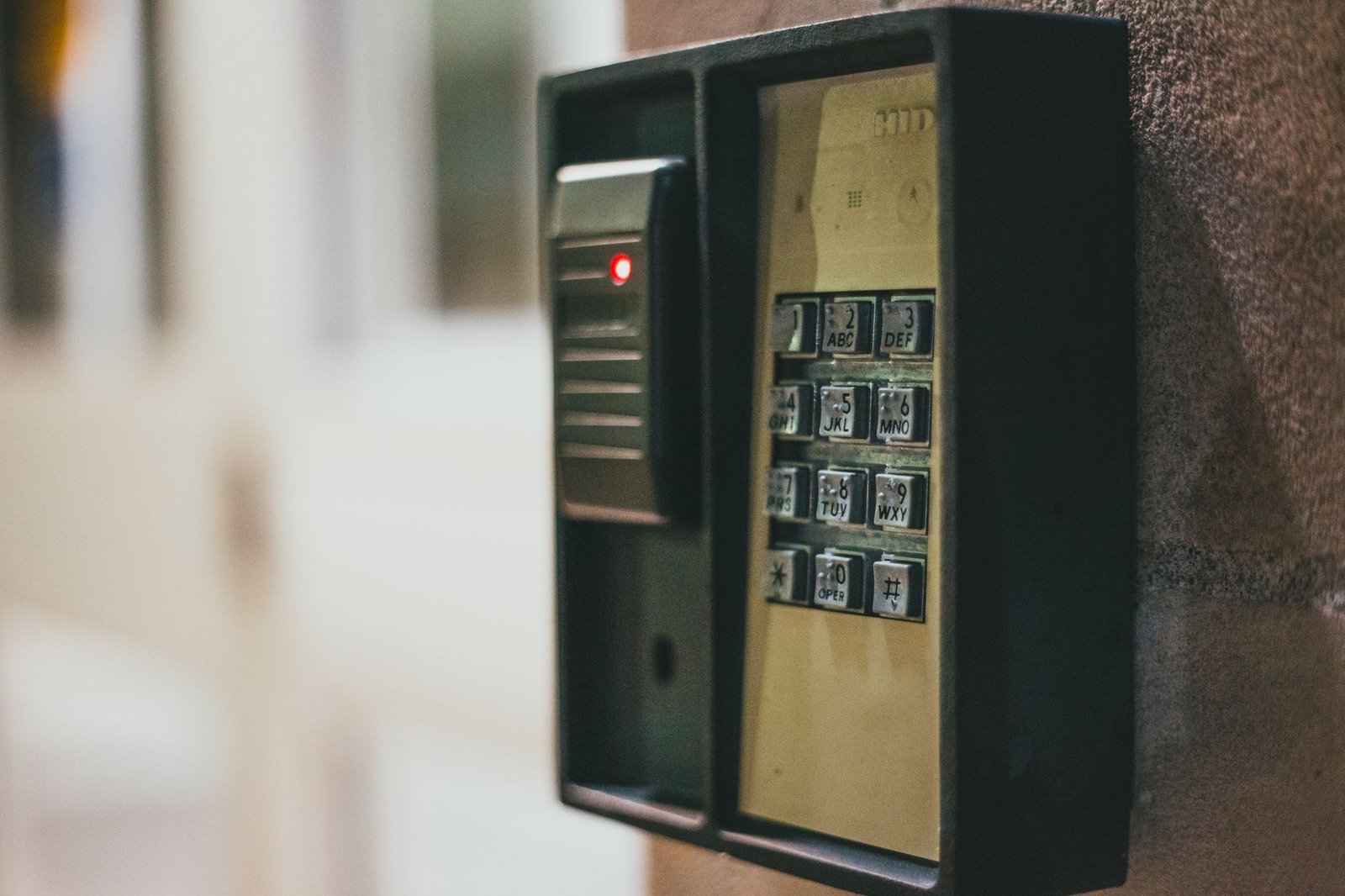
A mechanical push button door lock is a keyless lock that opens when you press the right sequence of numbered buttons. That’s the whole idea. There’s no battery, no wiring, no app, and no fingerprint sensor. Behind the buttons sits a mechanical chamber of tumblers and cams; press the correct code and the pieces line up so the latch or deadbolt retracts. Press the wrong one, and nothing moves.
I want to be clear about the naming, because it trips people up. “Push button” gets used for two very different products. One is this — a purely mechanical combination lock like the Kaba Simplex or LockeyUSA, invented decades ago and still sold because it refuses to break. The other is an electronic keypad lock that happens to have physical buttons and runs on AA batteries. This guide is about the first kind: the battery-free, code-only lock. If you actually want the electronic type with codes you can manage from a phone, skip down to the comparison table, because that’s a different tool.
The original design is credited to the Simplex/Unican line, now sold under dormakaba. LockeyUSA builds a similar mechanism aimed more at residential and gate use. Both share the same appeal: a lock that does one thing, does it in any weather, and outlives most of the doors it’s bolted to.
How does a mechanical push button lock work without batteries?
The code is stored physically, not digitally. Inside the lock is a set of coded pins or a combination chamber. When the unit is programmed, certain buttons are set to move internal parts into an “unlock ready” position when pressed. Enter the sequence and a clutch or cam engages so the lever or knob turns the latch. Enter the wrong sequence and the clutch stays disengaged — the handle spins uselessly.
Because the logic is metal, not code, there’s nothing to power. That’s the single biggest reason people buy these: in a January ice storm with the grid down, the lock behaves exactly as it did in July. The classic Simplex uses five buttons, and here’s the clever part — each button is used at most once per code, and you’re allowed to press two buttons at the same time. That pushes the math well past a simple 1-2-3-4-5 sequence and gets you to 1,081 possible combinations, per published analyses of the mechanism.
Who this is for
This lock earns its keep in specific situations, and it’s a poor fit in others. It’s for you if any of these sound familiar:
- You’re done with dead batteries. If you’ve ever stood outside a smart lock that chose the worst possible moment to die, the appeal is obvious.
- The door lives outdoors or in a harsh climate. Gates, garages, pool houses, and sheds where cold, heat, and humidity murder electronics.
- You need shared access without handing out keys. Cleaning crews, contractors, a small office, a vacation cabin, a community facility.
- You want almost zero maintenance. Program it once and forget it for years.
It’s the wrong buy if you want per-person codes, a log of who came and went, remote lock/unlock, or phone alerts. That’s smart-lock territory, and I’d point you at our roundup of smart locks that keep a physical key backup instead.
Pricing and specs at a glance
Here’s how the field stacks up as of September 2026. Prices move, so treat these as ballpark and check the live listing before you buy.
| Model | Type | Battery-free? | Combinations | Approx. price (Sep 2026) | Best for |
|---|---|---|---|---|---|
| Kaba Simplex 1000 (knob) | Commercial pushbutton | Yes | ~1,081 | $400–$500 | High-traffic commercial doors |
| Simplex L1000 (lever) | Heavy-duty pushbutton | Yes | ~1,081 | ~$525 | ADA doors, 3-hr fire rating |
| LockeyUSA 2835 (lever) | Residential/gate pushbutton | Yes | Thousands (single code) | ~$140–$170 | Gates, homes, marine climates |
| Premier Lock KL02 (lever) | Budget mechanical | Yes | Single code | ~$205 | Interior/light exterior |
| Zinc-alloy Amazon lever | Value pushbutton | Yes | Single code | Under $100 | Sheds, spare rooms, low stakes |
The honest point-by-point walkthrough
Here’s what actually matters once one of these is on your door, point by point, with a verdict on each.
Reliability and lifespan
This is the whole reason the category exists. A well-built mechanical pushbutton lock — a Simplex or a Lockey — is rated for hundreds of thousands of cycles and routinely serves 20-plus years. There’s no firmware to rot, no battery contacts to corrode, no motor to burn out. Verdict: unbeaten. Nothing electronic comes close on raw longevity. [ADD YOUR EXPERIENCE: how long has your unit been on the door, and has it ever stuck in cold weather?]
Weather resistance
Because there’s no board to fog up or freeze, these handle rain, snow, and heat far better than a battery keypad. LockeyUSA even sells a jet-black marine-grade finish for coastal and poolside doors. I’d still add a weather cover on a fully exposed gate to keep grit out of the buttons. Verdict: excellent, with a cheap cover recommended.
Installation
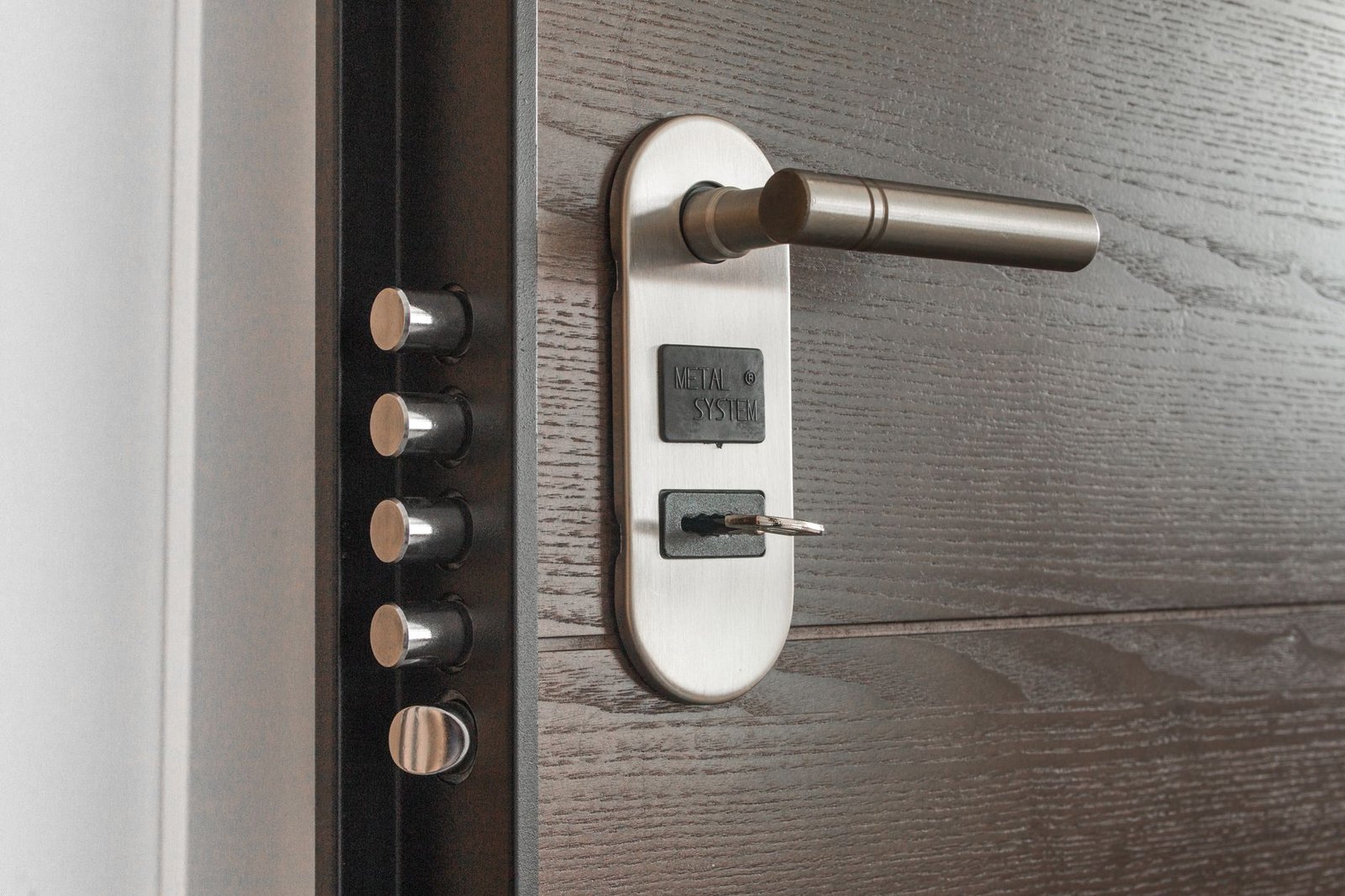
Most of these fit a standard door prep (2-3/8″ or 2-3/4″ backset, a 2-1/8″ bore) so a competent DIYer with a drill can manage a residential Lockey or budget unit in under an hour. The heavy Kaba commercial units are fussier and often worth a locksmith. Verdict: DIY-friendly at the low end, pro-friendly at the high end.
Changing the code
Here’s where the mechanical trade-off bites. Changing the combination isn’t a menu tap — it usually means removing the lock or a control piece and manually resetting the chamber, sometimes with a small tool. Do it once a year and it’s a non-issue. Do it every week for a churning list of guests and you’ll hate it. Verdict: fine for stable access, painful for constant turnover.
Everyday use
Punching a short code is faster than fishing for keys, and there’s a satisfying mechanical certainty to it. No wake-up lag, no “please try again.” The buttons take a firm press by design, which is good for glove use in winter but can feel stiff to kids or older hands. Verdict: quick and dependable, slightly stiff.
What no one else tells you about mechanical push button locks
Most articles sell these on “no batteries” and stop. Here’s the part that gets left out.
The security number is almost beside the point. Yes, a Simplex has 1,081 combinations, and at five seconds per guess a patient attacker could exhaust every code in roughly 90 minutes. That sounds alarming until you realize no burglar on earth stands at your gate methodically trying 1,081 codes. Real-world defeat of any residential lock is a kicked door, a pried frame, or a smashed window — not code-guessing. So don’t buy or reject one of these based on the combination count. Buy it based on the build quality of the door, frame, and strike, which matter ten times more.
The bigger weakness is shoulder-surfing and code creep. Because everyone shares one code and changing it is a chore, that code tends to drift — the dog walker tells the neighbor, the neighbor’s kid remembers it. Over two or three years, “who knows the code” quietly expands. A mechanical lock has no way to tell you this happened, because it keeps no log. If your threat model is “an ex-contractor still knows the way in,” an electronic lock with revocable per-person codes is genuinely safer, batteries and all. The mechanical lock’s honesty is also its blind spot: it will faithfully admit anyone who ever learned the number.
Mechanical push button vs the alternatives
Should you even be looking at mechanical? Here’s the straight comparison against the two things people cross-shop.
| Mechanical push button | Electronic keypad lock | Smart lock (Wi-Fi/Matter) | |
|---|---|---|---|
| Power needed | None, ever | AA batteries | Batteries + hub/Wi-Fi |
| Per-person codes | No (one shared) | Usually yes | Yes, unlimited |
| Access log / alerts | No | Sometimes | Yes |
| Remote lock/unlock | No | No | Yes |
| Cold/wet reliability | Excellent | Good | Fair (battery-dependent) |
| Typical lifespan | 20+ years | 5–10 years | 3–7 years |
| Price range | ~$40–$525 | ~$40–$150 | ~$100–$300 |
If you want managed access and alerts, an electronic option wins — see our picks for battery-powered keypad deadbolts under $100. If you’re new to the whole category, our overview of front door lock types lays out where each one fits.
Which mechanical push button lock should you buy?
Best overall: Kaba Simplex 1000 / Simplex L1000
If this is a door you use hard and daily, buy the Simplex and stop thinking about it. It’s the commercial-grade original, Grade 1/Grade 2 rated depending on model, with an optional key override and a UL fire rating on the lever versions. It costs more, and it’s worth it because it’s the one you install once and forget. One CTA: Check the Kaba Simplex 1000 price on Amazon. Prefer the lever for ADA and fire-rated doors: see the Simplex L1000 lever.
Best for homes and gates: LockeyUSA 2835
For a house, a side gate, or a marine environment, the Lockey 2835 hits the sweet spot: 100% mechanical, nine finishes including marine grade, adjustable backset, and a price that doesn’t make you wince like the commercial Kabas do. It’s the one I recommend most often to homeowners. [ADD YOUR EXPERIENCE: which finish did you choose, and how has it held up outdoors?]
Best budget: a sub-$100 zinc-alloy pushbutton lever
For a shed, a spare room, a garage side door — somewhere the stakes are low and you just want a code — a value zinc-alloy pushbutton lock does the job for well under $100. It won’t survive 20 years of daily abuse like a Simplex, but for occasional use it’s plenty. One CTA: See a budget mechanical pushbutton lever on Amazon. [ADD YOUR EXPERIENCE: confirm the current price and note the exact model you tested.]
Who should buy — and who should skip
Buy a mechanical push button lock if you’re best described by one of these: the frustrated smart-lock owner who wants zero batteries; the gate-and-garage owner in a harsh climate; the small-office or rental manager who needs simple shared access; or the set-it-and-forget-it minimalist. For those personas, nothing else is as dependable.
Skip it if you’re the host juggling constant guest turnover, the security-conscious owner who wants a log and alerts, or anyone who genuinely wants to lock and unlock from a phone. You’ll fight the lock’s limits every week. For you, a smart or electronic keypad option is the honest recommendation — even at the cost of batteries. Our budget smart lock picks are a better starting point.
The honest limits
I’m not going to pretend these are perfect. The real limits, plainly: one shared code means access is all-or-nothing; changing the code is a manual chore, not a tap; there’s no log and no alerts, so you never know who used it or when; the combination count is modest and shouldn’t be your security story; and the good ones aren’t cheap — a real Simplex costs more than many full smart locks. None of these are dealbreakers for the right door. All of them are dealbreakers for the wrong one. Match the lock to the job and you’ll be happy for two decades.
The verdict: A mechanical push button door lock is the most dependable keyless lock you can buy — as long as you want a code, not a computer.
Frequently asked questions
What is a mechanical push button door lock?
It’s a keyless lock that opens when you press the correct sequence of numbered buttons, using a purely mechanical combination chamber. It has no batteries, no wiring, and no electronics — the code is stored in metal parts, not a circuit.
Do mechanical push button locks need batteries?
No. That’s their defining feature. They run entirely on mechanical action, so they work during power cuts and never need a battery replacement.
How many combinations does a mechanical push button lock have?
A standard five-button Simplex mechanism has 1,081 possible combinations, because each button is used at most once and buttons can be pressed simultaneously. Simpler single-code residential units advertise “thousands” of settable combinations.
Are mechanical push button locks secure?
They provide solid privacy and casual access control, but they’re not high-security devices. The bigger real-world risks are a weak door or frame and a shared code that spreads over time, not someone guessing the combination.
How do you change the code on a mechanical push button lock?
You reset the combination chamber manually, which usually means removing the lock or a control piece and resetting internal parts, sometimes with a small tool. It’s straightforward but slower than changing a code on an electronic keypad.
Can a mechanical push button lock be used outdoors?
Yes, and it’s one of the best uses for them. With no electronics to fail, they handle rain, snow, and heat well. For fully exposed gates, choose a weather- or marine-grade model and consider a button cover.
How much does a mechanical push button door lock cost?
As of September 2026, commercial Kaba Simplex models run roughly $400 to $525, the LockeyUSA 2835 is around $140 to $170, and budget zinc-alloy Amazon units come in well under $100.
Mechanical push button lock vs electronic keypad lock — which is better?
Choose mechanical if you want maximum reliability, no batteries, and simple shared access. Choose electronic or smart if you need per-person codes, access logs, alerts, or remote control. They solve different problems.
How long do mechanical push button locks last?
Quality models like Kaba Simplex and LockeyUSA are rated for hundreds of thousands of cycles and commonly last 20 years or more, far longer than most electronic locks.
Can you install a mechanical push button lock yourself?
Residential Lockey and budget units fit standard door prep and can be installed by a confident DIYer in under an hour. Heavy commercial Kaba units are more involved and are often best left to a locksmith.
About the author — Naveen Kumar Durai
I’m Naveen, the person behind TechVibeSpot. I research smart locks and home security the boring, thorough way — specs, standards, locksmith docs, and real owner reports — so you don’t have to. No hype, just what I’d tell a friend. See how we review.
What happens if the battery dies?
On a good electronic lock, you get weeks of low-battery warnings first. If it does die, you use the physical key backup, or on some models touch a 9V battery to external terminals to power it just long enough to open. Always keep that backup key somewhere off the property.
Can push button door locks be hacked or picked?
Residential electronic keypads aren’t a realistic “hacking” target — there’s no network to attack on a basic keypad lock. The practical risks are shoulder-surfing your code and reading worn buttons. Both are solved by using a longer code and changing it a couple of times a year.
Push button lock vs smart lock — what’s the difference?
A push button lock unlocks only with an on-device code. A smart lock adds phone unlocking, remote access, logs, and voice control, usually over Wi-Fi or Bluetooth. If you want your phone in the loop, you want a smart lock. If you just want to ditch keys, a push button lock is simpler and cheaper.