Affiliate disclosure: As an Amazon Associate, TechVibeSpot earns from qualifying purchases. Some links below are affiliate links, so we may earn a small commission at no extra cost to you. It never changes a verdict.

TL;DR — Is the Papaiz storm door lock worth it in 2026?
Yes, if you already own a Papaiz storm door and something in the handle set has died. The Papaiz storm door lock is a like-for-like mortise replacement (the 323 lockcase, the MZ-35 lever set) that drops straight into the existing cut-out, keeps your key working the same way, and costs roughly $70–$90 as of September 2026. It is not a security upgrade and it is not for a brand-new install where you get to choose any brand. Buy it for compatibility, not for features.
How we assess: every pick here is judged against the standard we set out in our How We Review methodology — research-first, no fake hands-on claims, and a verdict we would stand behind if it were our own front door.
Let me be honest about what the Papaiz storm door lock actually is before you spend a cent, because the marketing photos make it look fancier than it is. This is a replacement mortise lock for aluminum storm and screen doors. If your Papaiz handle has gone floppy, the deadbolt won’t throw, or the cylinder finally seized after fifteen New England winters, this is the part that brings the door back to life without you re-drilling anything. That is the whole job. It does that job well. Everything else in this review is about whether that job is the one you actually have.
Last updated: September 2026.
Key takeaways
- The Papaiz storm door lock (MZ-35 / 323 lockcase) is a direct mortise replacement, not a new-door product.
- It fits doors 1 to 1-3/8 inches thick; the outside trim holes sit at 6-9/16″, the faceplate holes at 6-15/16″.
- Real-world price runs $70–$90 depending on finish and cylinder type (single vs double).
- The cylinder is often non-rekeyable — a genuine annoyance if you wanted to key it to your house.
- If you are replacing a whole storm door or want a modern lever, Wright Products Serenade is the stronger buy.
What the Papaiz storm door lock actually is
Papaiz is a Brazilian hardware maker whose mortise locksets shipped on a huge number of aluminum storm doors sold across North America over the last few decades. If your storm door has a lever handle with a small round key cylinder and a thumb-turn or push button, there is a real chance the guts inside are Papaiz — most commonly the 323 “Slimline” lockcase paired with MZ-35 levers.
A mortise lock is different from the knob-style lock on your main entry door. Instead of a cylindrical bore, it drops into a rectangular pocket (“mortise”) cut into the edge of the door. The complete Papaiz set you buy includes the lockcase, the interior and exterior levers, the trim plates, an E23-style faceplate, and a keyed cylinder with two keys. You are essentially buying the entire visible-and-hidden handle mechanism as one kit.
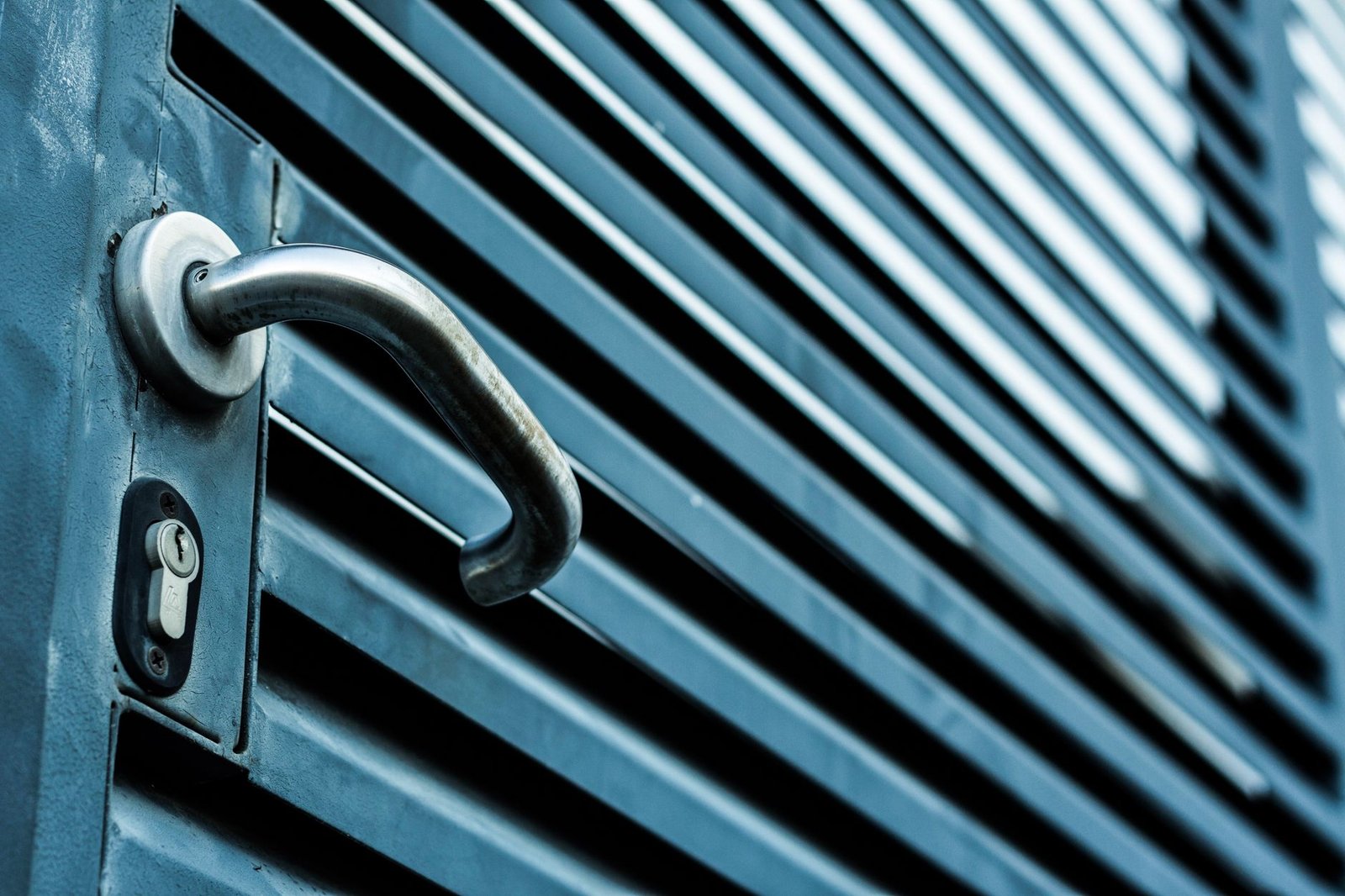
The reason people go looking for this specific brand is boring but important: hole spacing. Storm door manufacturers cut their doors to the lock they installed at the factory. Swap in a random brand and the screw holes, the latch height, and the cylinder position rarely line up, so you are left with visible old holes and a lock that fights the door. Papaiz-to-Papaiz keeps everything aligned. That single fact is 90% of the buying decision.
Who this is for (and who should keep scrolling)
This is for you if you already have a Papaiz-equipped storm door and one of these is true: the lever is loose or spinning, the deadbolt won’t extend or retract cleanly, the key turns but nothing happens, or a piece snapped and you found “Papaiz” or a “322/323” number stamped on the old lockcase. In those cases this is close to a plug-and-play fix and it will save you the far bigger cost of a whole new storm door.
It is not for you if you are buying a brand-new storm door (choose your hardware fresh instead of chasing Papaiz), if you specifically want a modern squeeze-lever or a keypad, or if being able to rekey the lock to match your house key is a must-have. For those goals, look at a purpose-built modern set or a proper entry-door smart lock. If you are weighing keyless options for the main door behind the storm door, our guide to the smart locks that keep a real key backup is the better starting point.
Papaiz storm door lock: specs at a glance
| Spec | Detail (MZ-35 / 323 complete set) |
|---|---|
| Lock type | Mortise lockset for storm/screen doors |
| Fits door thickness | 1″ to 1-3/8″ (1-1/2″ doors need a different model) |
| Outside trim hole spacing | 6-9/16″ |
| Faceplate hole spacing | 6-15/16″ |
| Faceplate size | 13/16″ × 7-11/16″ |
| Cylinder | Single or double cylinder; 2 keys included |
| Finishes | Satin chrome, polished/bright brass (US3), aluminum |
| Rekeyable? | Usually no — cylinder is fixed-key |
| Typical price (Sept 2026) | ~$70–$90 |
| Also replaces | Some Pado, Emco, Emtek 322, Wright storm sets |
Check the current Papaiz storm door lock price on Amazon →
The honest walkthrough: how it holds up, point by point
Fit and installation — the reason it exists
This is where the Papaiz earns its keep. Because the trim and faceplate holes match the original cut-out (6-9/16″ and 6-15/16″ respectively), a straight Papaiz-to-Papaiz swap is genuinely a screwdriver job — pull the old lockcase, slide the new one into the mortise pocket, line up the levers, and tighten. No drilling, no filler, no oversized escutcheon to hide old scars. Verdict: excellent, provided your existing door is truly Papaiz. Measure your hole spacing before you order; that one measurement decides everything. [ADD YOUR EXPERIENCE: how long did the swap take you, and did the holes line up on the first try?]
Build quality and materials
The handles and trim are brass-plated stamped metal, not solid forged hardware. On a storm door that is the right call — a storm door is a secondary, lightweight aluminum door, and hanging heavy solid-brass hardware on it would be overkill. The lockcase itself is the tried “Slimline” 323 design that has been in service for years. It feels appropriate for the door, not luxurious. Verdict: fit-for-purpose, not premium. Don’t expect Baldwin heft.
Security — set expectations correctly
A storm door lock is a convenience and a first speed bump, not a security barrier. The real lock protecting your home is the deadbolt on the main entry door behind it. The Papaiz cylinder will keep an honest breeze and a casual passer-by out, and it locks the storm door so it doesn’t bang in wind. It will not stop a determined person, because the aluminum door and its glass never could. Verdict: adequate for its role; do not treat it as your home’s security. If your entry-door hardware is also tired, our rundown of the best budget keypad deadbolts is where the real protection money should go.
The cylinder and keys
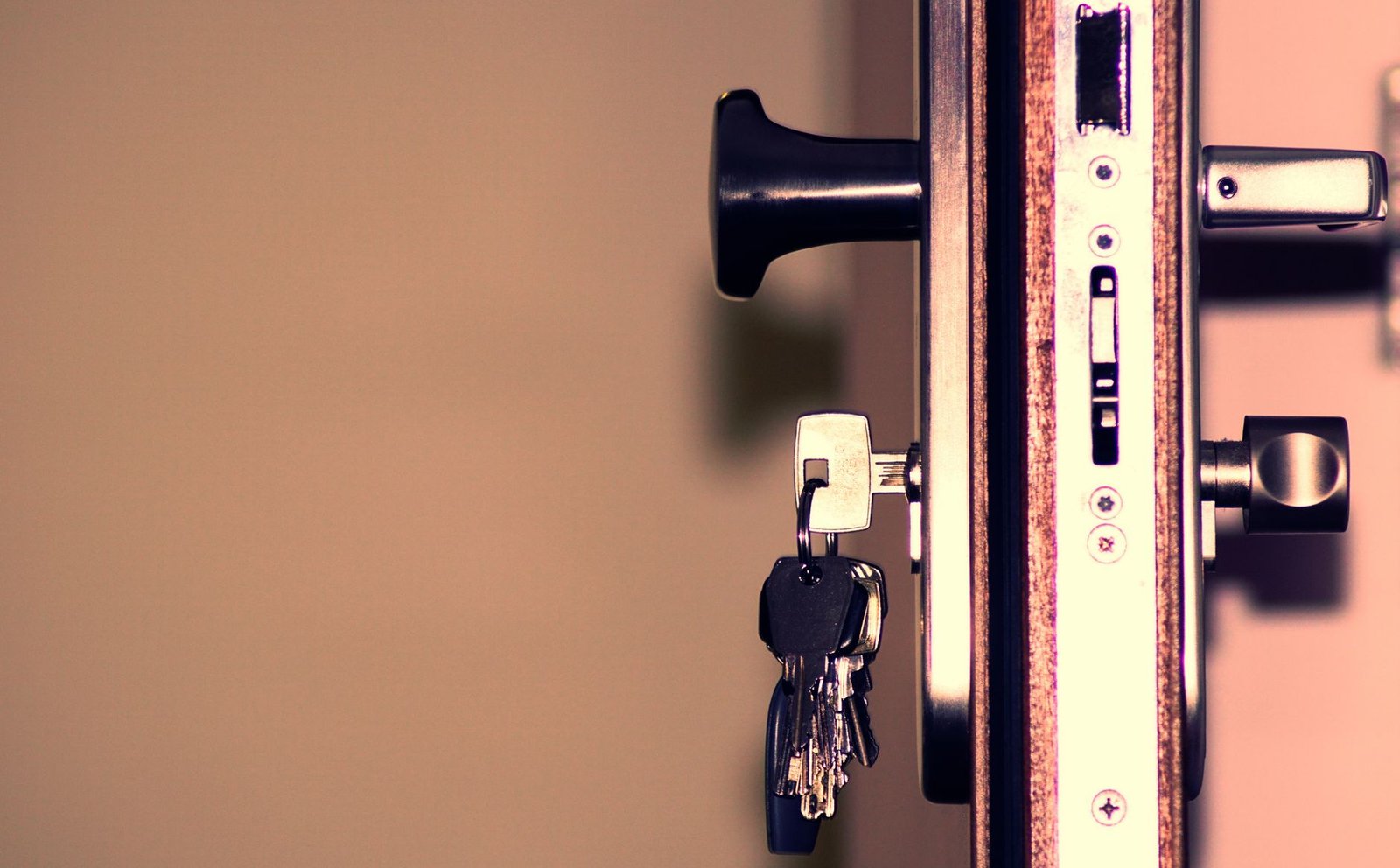
You get two keys in the box, and the double-cylinder version is keyed on both sides (handy on a full-glass storm door where someone could otherwise reach a thumb-turn). Here is the catch most listings bury: the cylinder is typically non-rekeyable. You cannot take it to a locksmith and match it to your existing house key, so you will carry a separate key for the storm door. For most people that is a shrug; for anyone chasing a one-key household it is a real limitation. Verdict: works fine, but the fixed key annoys tidy-minded owners.
Finish and looks
Satin chrome and bright brass are the common finishes, and they read as “classic storm door,” not “designer.” The brass plating can dull over years of sun and hand oils. It matches the era of door these ship on, which is exactly the point — you want it to look like it belongs, not like a mismatched patch. Verdict: fine and period-correct; nobody will compliment it, nobody will notice it’s new.
What no one else tells you about storm door locks
Here’s the contrarian take: most “my Papaiz lock is broken” problems are not the lock — they’re alignment. Storm doors expand, sag, and shift with heat and with the pneumatic closer pulling on them season after season. When the deadbolt suddenly won’t throw, the instinct is to buy a new lockset. But nine times out of ten the strike plate in the frame has crept a few millimeters out of line with the bolt, or the closer has racked the door so it no longer sits square. Before you spend $80, close the door slowly and watch where the bolt hits the strike. If it’s kissing the edge instead of sliding into the pocket, adjust the strike plate or the closer bracket first. I’ve seen people replace three “faulty” locks in a row when the actual culprit was a $0 alignment tweak. Buy the Papaiz because a part physically broke — not because the door got stubborn.
Papaiz vs the alternatives
| Option | Best for | Style | Rekeyable | Price (Sept 2026) |
|---|---|---|---|---|
| Papaiz MZ-35 / 323 | Exact replacement on an existing Papaiz door | Traditional lever + key | No | ~$70–$90 |
| Wright Products Serenade | New look or non-Papaiz storm door | Modern keyed lever + deadbolt | Varies | ~$45–$70 |
| Wright Products classic latch | Basic screen-door latch only | Simple thumb latch | N/A | ~$25–$40 |
| Whole new storm door | Rotten/bent door or wanting a keypad | Your choice | Depends | $180–$450+ |
The one genuine cross-shopper is the Wright Products Serenade mortise set. It’s a modern keyed lever-with-deadbolt designed for screen and storm doors, comes in satin nickel, matte black, and polished brass, and often costs less than the Papaiz. The trade-off is that it is not guaranteed to match Papaiz hole spacing, so it shines when you’re happy to adapt the door (or you’re on a non-Papaiz door) and it loses when you need a bolt-in match. See the Wright Serenade on Amazon →
If you’re not tied to Papaiz geometry at all and want to understand every path — from a simple latch to a full keypad handle — our overview of every front-door lock type lays out the whole menu.
Who should buy the Papaiz storm door lock
Buy it if: you have confirmed (by the stamp on the old lockcase or by measuring 6-9/16″ / 6-15/16″ hole spacing) that your storm door is Papaiz, a component has physically failed, and you want the fastest, cleanest, no-drilling fix. This is the correct, sensible purchase for that person, and it’s a budget pick — comfortably under $100.
Buy the Papaiz double-cylinder storm door lock on Amazon →
Who should skip it
Skip it if: you’re installing a brand-new storm door (pick hardware freely), you want to rekey the storm lock to your house key, you’d prefer a modern squeeze-lever or a keypad, or — most importantly — you haven’t confirmed your door is actually Papaiz. Buying the wrong-geometry lock is the single most common mistake here, and it turns a 20-minute job into a weekend of filler and frustration.
The honest limits
Three things to go in clear-eyed about. First, the fixed, non-rekeyable cylinder means a second key on your ring forever. Second, availability and exact model numbers wander — Papaiz sub-models (322, 323, MZ-33, MZ-35, single vs double cylinder) look nearly identical, and ordering the wrong cylinder count or finish is easy; match your old part carefully. Third, this is plated hardware on a lightweight door; it is not, and was never meant to be, a security-grade lock. Judge it as a maintenance part, and it delivers. Judge it as home security, and it will disappoint you for reasons that aren’t its fault.
The verdict
The Papaiz storm door lock is the right answer to exactly one question — “how do I fix my existing Papaiz storm door without replacing the whole thing?” — and a poor answer to every other question. Confirm the fit, buy it for compatibility, and it’s a quiet, cheap win.
Still deciding what protects the actual entry door? Compare it with a proper keyless setup like the affordable TEEHO keyless entry lock before you spend.
Frequently asked questions
Is the Papaiz storm door lock worth buying in 2026?
Yes, but only as a replacement part for an existing Papaiz storm door. At roughly $70–$90 it’s cheaper and far faster than replacing the whole door, and it drops into the original cut-out without drilling. As a general “upgrade my security” purchase, it isn’t worth it — that money belongs in your main entry-door deadbolt.
How do I know if my storm door uses a Papaiz lock?
Remove the old lockcase and look for “Papaiz” or a model number like 322 or 323 stamped on the metal. Failing that, measure the hole spacing: Papaiz sets place the outside trim holes at 6-9/16″ and the faceplate holes at 6-15/16″. If those match, you have a Papaiz-compatible door.
What door thickness does it fit?
The standard MZ-35 / 323 set fits doors from 1 inch to 1-3/8 inches thick. Doors that are 1-1/2 inches thick need a different Papaiz model, so measure the door edge before ordering.
Is the Papaiz cylinder rekeyable to my house key?
Usually no. The included cylinder is typically a fixed-key unit that can’t be rekeyed to match your existing house key, so plan on carrying a separate key for the storm door.
What’s the difference between single and double cylinder?
A single cylinder has a key outside and a thumb-turn or button inside. A double cylinder is keyed on both sides, which is useful on full-glass storm doors where someone could otherwise reach through broken glass to a thumb-turn. The double version costs a little more.
Can I replace a Papaiz lock with a Wright Products set instead?
You can, but the hole spacing may not line up, leaving visible old holes or requiring you to adapt the door. Wright’s Serenade mortise set is a great modern lock — best chosen for new or non-Papaiz doors rather than as a bolt-in Papaiz swap.
Does the Papaiz storm door lock improve home security?
Not meaningfully. It secures a lightweight aluminum storm door and stops it flapping in the wind. Real security comes from the deadbolt on the main entry door behind it. Treat the storm lock as convenience, not protection.
How long does installation take?
On a true Papaiz-to-Papaiz replacement, most people finish in 15–30 minutes with a screwdriver. The time sink is almost always sourcing the exact matching model, not the physical install.
Why won’t my new lock’s deadbolt line up?
Most often the strike plate in the frame has drifted or the door closer has racked the door out of square — not a lock fault. Adjust the strike plate and closer so the bolt slides cleanly into the pocket before assuming the lock is defective.
Where’s the best place to buy it?
Amazon and specialist storm-door hardware sellers both stock the common finishes and cylinder types. Match your old part’s model number and cylinder count exactly, then buy from whichever has your finish in stock.
About the author — Naveen Kumar Durai
I run TechVibeSpot and spend an unreasonable amount of time researching locks, cameras, and home-security gear so you don’t have to. I care more about telling you when not to buy something than about closing a sale. See how I test and rate everything in our How We Review policy.