Disclosure: This review contains affiliate links. If you buy through them, TechVibeSpot may earn a small commission at no extra cost to you. It never changes my verdict — I only point you at gear I’d tell a friend to buy.
How we assess: research-driven, hands-on where possible, and never paid to be positive. See our full How We Review process.
Let me be straight with you. “SDOER Smart Lock” is a slightly generous name. I’ve spent years around budget smart locks, and the word “smart” gets stapled onto anything with a keypad these days. The SDOER keypad deadbolt is not smart in the way a Kwikset Halo or an August is smart. It doesn’t talk to your Wi-Fi. It won’t ping your phone when your kid gets home. And you know what? For a huge number of people, that’s completely fine — sometimes better. This is my honest, research-based take on who should buy this thing, who should walk away, and the one detail almost every other review glosses over.
What the SDOER smart lock actually is
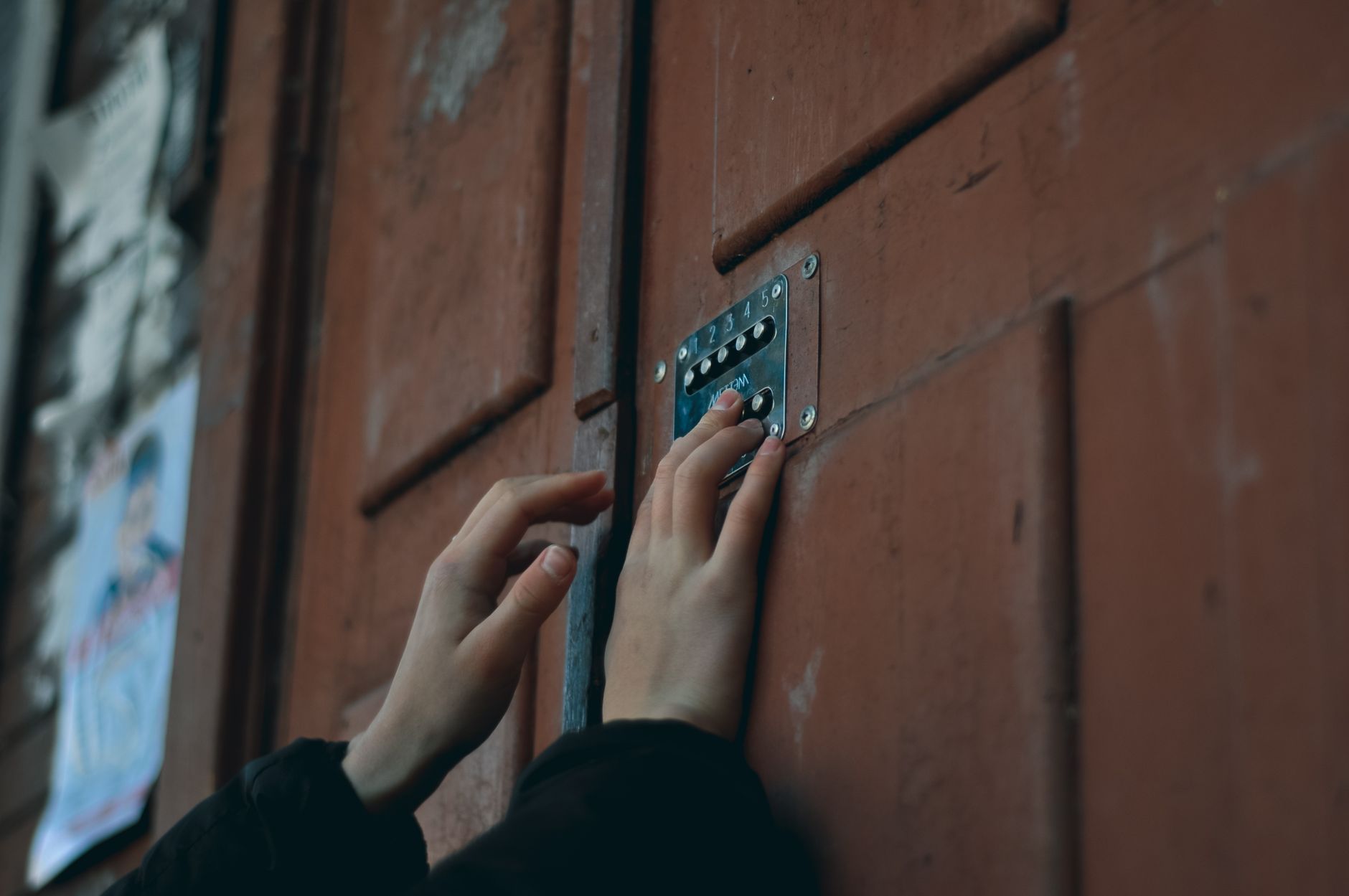
Strip away the marketing and here’s the honest description: the SDOER is an electronic keypad deadbolt. It replaces your existing deadbolt on a standard door. Instead of turning a key every time, you punch a numeric code into a backlit keypad and the bolt throws. It runs on batteries (AAA cells that sit inside the interior escutcheon), stores up to 50 individual access codes, ships with backup physical keys, has a low-battery indicator, and the exterior is built to shrug off rain and weather.
What it is not: there’s no Bluetooth, no Wi-Fi bridge, no companion app, and no voice-assistant hook. Everything happens at the door. That’s the whole design philosophy — a dumb-simple, self-contained lock that removes the key from your daily life without inviting your home network into the equation. If you’ve read our guide to the best keypad deadbolts under $100, the SDOER sits firmly in that camp.
Who this is for
This lock makes sense for a specific person, and I’d rather tell you plainly than pretend it’s for everyone. You’ll like the SDOER if you want keyless entry on a budget and you don’t care about phone control. It’s ideal for a back door, a garage side-entry, a home office, a rental unit where you rotate codes between tenants, or an older relative who struggles with keys but would be baffled by an app. If your priority is “stop carrying a key” rather than “run my door from my couch,” this is your lane.
You’ll be frustrated if you expected a connected lock. No remote lock/unlock, no activity log on your phone, no Alexa or Google Assistant control. Buying this and expecting those features is the number-one reason people leave angry reviews on locks like this — they bought the wrong category, not a bad product.
SDOER smart lock specs at a glance
| Spec | SDOER Keypad Deadbolt |
|---|---|
| Type | Electronic keypad deadbolt (offline / standalone) |
| Unlock methods | Numeric code + backup physical key |
| Access codes | Up to 50 user codes |
| Connectivity | None (no Wi-Fi, Bluetooth, or app) |
| Power | AAA batteries (interior), low-battery indicator |
| Finishes | Satin Nickel, Brown |
| Weather resistance | Weatherproof exterior keypad, anti-theft build |
| Auto-lock | Yes (re-locks after a set delay) |
| Backup entry | Physical keys included |
| Best for | Rentals, back doors, sheds, key-free budget entry |
| Typical price (Sept 2026) | Usually under $70 on Amazon (check live price) |
Check current pricing and finishes: SDOER Keypad Deadbolt (Satin Nickel) on Amazon →
The honest, point-by-point walkthrough
Installation: genuinely DIY-friendly
This is where budget keypad locks either win or ruin your afternoon, and the SDOER lands on the good side. It’s built to a standard deadbolt footprint, so if you can swap a normal deadbolt with a screwdriver, you can fit this. There’s no drilling new holes on a standard prepped door. The one thing that trips people up on every lock in this class is the interior/exterior alignment and the tailpiece orientation — go slow, dry-fit before you fully tighten, and test the bolt throws smoothly before the batteries go in. My verdict: easy for anyone comfortable holding a screwdriver; budget 20–30 minutes. [ADD YOUR EXPERIENCE: note your actual install time and whether the strike plate needed adjusting on your door.]
The keypad and daily use
The keypad is backlit, which matters more than you’d think at 11pm with an armful of groceries. Codes are quick to enter and the bolt motor is reasonably brisk. The 50-code capacity is the quiet hero here — you can hand a cleaner one code, a dog-walker another, family their own, and delete any of them individually without re-doing the whole lock. My verdict: does the core job well; the code management is more flexible than the price suggests. [ADD YOUR EXPERIENCE: how loud is the motor, and does the keypad stay readable in direct sun?]
Security and build
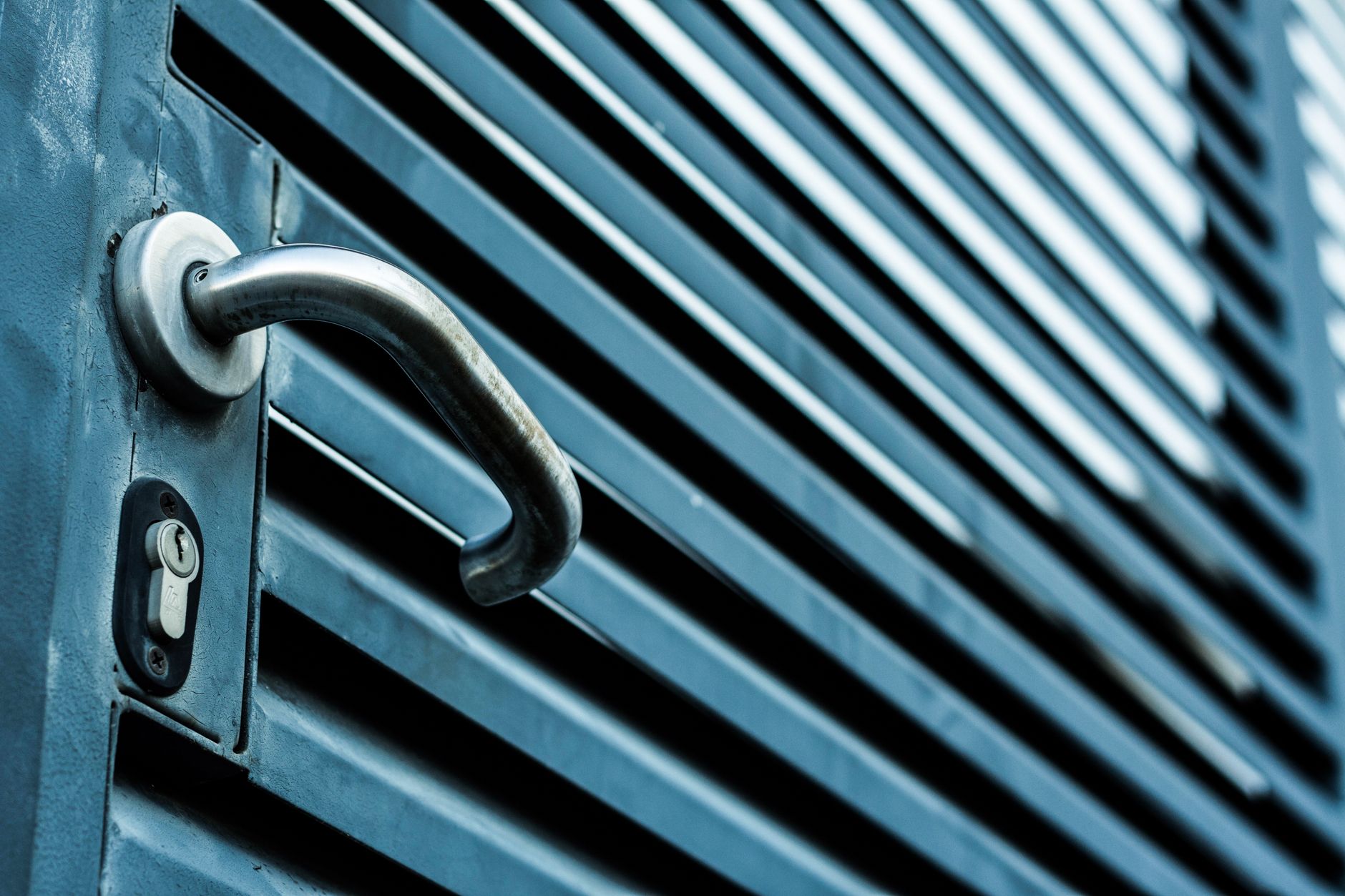
It’s a real metal deadbolt, not a flimsy latch — that’s the part that actually protects your door, and it’s solid for the money. The anti-theft framing in the listing mostly refers to the keypad design (codes don’t leave obvious wear patterns as fast, and the electronics resist casual tampering). Be realistic: no sub-$70 lock is going to match a commercial-grade Grade 1 deadbolt or a Schlage. But against the actual threat most homes face — opportunistic entry — a well-installed deadbolt with a hidden code beats a key under the mat every single time. My verdict: security is “good for the category,” not “fortress.” Right-sized for homes, rentals, and secondary doors.
Backup keys and battery life
Both of these are reasons I trust this lock more than app-only competitors. The physical key means a dead battery never locks you out — you’re never one firmware glitch away from sleeping in your car. And a simple AAA setup with a low-battery warning is easy to service; you’re not hunting for a proprietary pack. This is the same logic behind our roundup of smart locks with a physical key backup — redundancy is underrated. My verdict: the backup-key + swappable-battery combo is the SDOER’s most reassuring feature.
What no one else tells you about cheap keypad locks
Here’s the contrarian take, and it’s the reason I actually recommend this thing to certain people over a $200 “real” smart lock: for most homes, the connected features you’re paying a premium for are features you’ll use twice and then forget.
Think about how you honestly use a lock. You come home, you go in. You leave, you lock it. Ninety-five percent of lock interactions are you, physically at your door. The dream of unlocking for a delivery from your office sounds great until you realize you don’t actually want strangers in your house, and packages get left on the porch anyway. Meanwhile, every Wi-Fi lock adds a battery drain, a bridge that can drop offline, firmware that needs updating, and a new attack surface on your home network. The offline SDOER has none of that. It can’t be hacked over the internet because it isn’t on the internet. Its battery lasts far longer because it’s not constantly pinging a router. Nobody markets “it does less, and that’s the point,” but for a back door or a rental, less really is more. The people happiest with locks like this are the ones who bought them because they’re dumb, not despite it.
SDOER vs the alternatives
| Lock | Type | Phone/App | Backup key | Rough price | Best for |
|---|---|---|---|---|---|
| SDOER Keypad Deadbolt | Offline keypad | No | Yes | Under $70 | Cheapest reliable keyless entry |
| TEEHO Keyless Entry | Offline keypad | No | Yes | ~$40–60 | Similar budget rival, popular finish range |
| Wyze Lock Bolt | Fingerprint keypad (BT) | Bluetooth | No | ~$70–90 | Fingerprint fans, phone proximity unlock |
| Kwikset Halo | Wi-Fi smart lock | Yes (Wi-Fi) | Yes | ~$150–200 | Full remote control + app logs |
If you want a near-identical alternative to cross-shop, our TEEHO keyless entry review covers the closest budget rival. The short version: SDOER and TEEHO are cut from the same cloth — pick on price, finish, and reviews the week you buy.
Budget pick under $100: The SDOER itself is the value play here. See the SDOER keypad deadbolt (Brown finish) on Amazon →
Who should buy it — and who should skip it
Buy the SDOER if: you’re a landlord rotating codes between tenants; you want keyless entry on a back or side door; you’re outfitting a rental, shed, or home office; you care about a backup key and easy batteries; or you specifically don’t want another Wi-Fi device in your house. Best for budget-minded homeowners and renters who value simplicity and reliability over gadgetry.
Skip it if: you need to unlock the door remotely for guests; you want a phone activity log of who came and went; you’re set on fingerprint entry; or you want deep Alexa/Google smart-home integration. In those cases, spend more on a true connected lock — you’ll be happier, and I’d rather you buy the right thing than return the wrong one.
The honest limits
I’m not going to oversell this. The SDOER has real constraints. There’s no remote anything — if you’re not at the door, you have no control. The build quality is good for the price but won’t feel as premium as a $200 lock in your hand. Finish options are limited (Satin Nickel and Brown). Long-term durability data on budget brands like this is thinner than on Schlage or Kwikset, so I’d weigh recent buyer reviews the week you order. And “waterproof” claims on any keypad should be read as “weather-resistant” — a fully exposed door in driving rain is harder on electronics than a covered porch. None of these are dealbreakers for the right buyer; they’re just the trade-offs that come with the price.
Setup and daily-use tips that actually matter
A cheap keypad lock lives or dies on how you set it up, so here’s what I’d tell a friend before they mount it. First, take the alignment seriously. The most common cause of a “faulty” budget lock is a strike plate or bolt that binds — if you have to lift or push the door to throw the bolt, the lock motor is fighting friction it shouldn’t, and that murders battery life. Get the door hanging true and the bolt sliding freely by hand before you ever add batteries.
Second, treat your codes like a system, not an afterthought. With 50 slots, give every person and purpose its own code: one for you, one for your partner, a separate one per kid, one for the cleaner, a temporary one for a contractor you delete the day the job ends. When something feels off, you can pull a single code without disrupting anyone else. Never reuse the pattern of your ATM PIN, and avoid the obvious 1234 or your house number.
Third, keep the backup keys somewhere off-site or with a trusted neighbor, not in a kitchen drawer inside the very door they open. And put a calendar reminder to swap batteries proactively every several months rather than waiting for the low-battery warning at the worst possible moment. Buy a decent set of AAA cells — cheap dollar-store batteries leak and corrode contacts, which is a self-inflicted way to kill an otherwise fine lock. Do these four things and a budget lock behaves like a much more expensive one. Skip them and you’ll blame the lock for problems you created at install. [ADD YOUR EXPERIENCE: share the code-management setup you landed on for your household.]
My verdict
The SDOER is the lock to buy when you want to ditch your keys, not join a smart-home ecosystem — cheap, simple, key-backed, and honest about what it is.
Rate it for what it’s built to do and it’s a quiet winner. Rate it against a $200 Wi-Fi lock and you’ve mismatched the fight. For a back door, a rental, or anyone allergic to apps, I’d recommend it without hesitation. Just go in clear-eyed: you’re buying a great keypad deadbolt, and that’s exactly enough.
Frequently asked questions
Is the SDOER smart lock actually a “smart” lock?
Not in the connected sense. It’s an electronic keypad deadbolt with no Wi-Fi, Bluetooth, or app. You unlock it with a code or a backup key at the door — there’s no remote control or phone notifications.
Does the SDOER lock connect to Wi-Fi or an app?
No. It’s a fully offline, standalone lock. That’s intentional — it means longer battery life and no home-network security exposure, but also no remote access.
How many codes can the SDOER store?
Up to 50 individual access codes, which you can add and delete separately — handy for rentals, cleaners, dog-walkers, and family members.
Does it come with physical keys?
Yes. Backup physical keys are included, so a dead battery or electronic fault never locks you out.
What batteries does the SDOER use and how long do they last?
It runs on AAA batteries housed in the interior unit and has a low-battery indicator. Because it isn’t constantly connecting to Wi-Fi, offline keypad locks like this typically last many months per set of cells. [ADD YOUR EXPERIENCE: report your real battery lifespan.]
Can I install the SDOER myself?
Yes, if you’re comfortable using a screwdriver. It fits a standard deadbolt prep on most doors, and installation usually takes 20–30 minutes with no drilling on an already-prepped door.
Is the SDOER waterproof for an exterior door?
The keypad is designed to be weather-resistant, which suits most exterior doors, especially covered ones. Treat “waterproof” as “weatherproof” — a fully exposed door in heavy driving rain is tougher on any keypad’s electronics.
Does the SDOER work with Alexa or Google Assistant?
No. Because it has no connectivity, it can’t integrate with voice assistants. If that matters to you, look at a Wi-Fi lock instead — start with our Alexa smart lock guide.
Does it auto-lock?
Yes, it re-locks automatically after a set delay, so you won’t accidentally leave the door unlocked behind you.
Is the SDOER secure enough for a front door?
For most homes, yes — it’s a real metal deadbolt, and a hidden code beats a spare key under the mat. It won’t match a commercial Grade 1 lock, but for typical residential security it’s right-sized.
SDOER vs TEEHO — which should I get?
They’re very similar offline keypad deadbolts. Choose on current price, available finish, and recent reviews. See our TEEHO review to compare directly.
Where’s the best place to buy the SDOER?
Amazon carries both the Satin Nickel and Brown finishes with current pricing; confirm the live price and read the latest buyer reviews before you order.
I test and research smart locks and home-security gear for TechVibeSpot, and I care more about what a product does on your actual door than what its box promises. No fluff, no paid praise — just honest verdicts. See how I evaluate everything on our How We Review page.